Lactate threshold testing for runners, cyclists & endurance athletes

What is lactate testing and will it help my training?

The lactate threshold refers to the point during intense exercise where lactate builds more quickly than it can be removed. It’s a very effective marker of current performance and using the test results correctly to determine your true training zones can greatly improve performance.

Lactate testing is particularly valuable because it helps coaches and endurance athletes (runners, cyclists, triathletes, etc.) measure and optimise performance. It provides precise data on how their body responds to different training intensities. This allows for smarter, more efficient training and better long-term performance.

Testing can be performed for:

Including people who are training for:

lactate testing

Here’s why it’s essential to those serious about performance

Lactate testing identifies the aerobic threshold (LT1) and anaerobic threshold (LT2), which define the best training intensities for endurance development. Training at or below LT1 improves fat metabolism and aerobic efficiency, while training around LT2 enhances the body’s ability to clear lactate and sustain high intensities longer. This can be cross referenced for pace (runner) and power (cyclists).
Endurance athletes rely on efficient energy use. Lactate testing helps optimise training so they can sustain efforts longer before fatigue sets in. It allows for zone-based training, where workouts are structured to target specific physiological adaptations.
Excessive high-intensity training can lead to burnout. Lactate testing ensures athletes stay within productive intensity levels without overloading their system. It provides real-time feedback, helping athletes balance intensity and recovery for long-term gains.
Regular lactate testing shows if an athlete is improving: If an athlete can maintain a faster pace or power at the same lactate level, their endurance has improved. If lactate levels rise too quickly at a given effort, it may signal overtraining or the need for recovery.
Unlike heart rate or perceived exertion, lactate testing gives a direct measure of metabolic stress. Every athlete has a unique lactate profile, so training can be fine-tuned to their physiology, maximising performance improvements.
Knowing lactate thresholds allows athletes to predict sustainable race efforts and avoid going out too hard. It provides a scientific basis for pacing strategies in long-distance events like marathons, cycling time trials, and triathlons.

My coaching process
step-by-step to your success

image

Pre-Test Consultation & Athlete Profile

We begin with an initial Zoom call to outline the lactate testing process and complete your athlete profile, ensuring we understand your goals, background, and current fitness level.

01
image

The Test & Data Collection

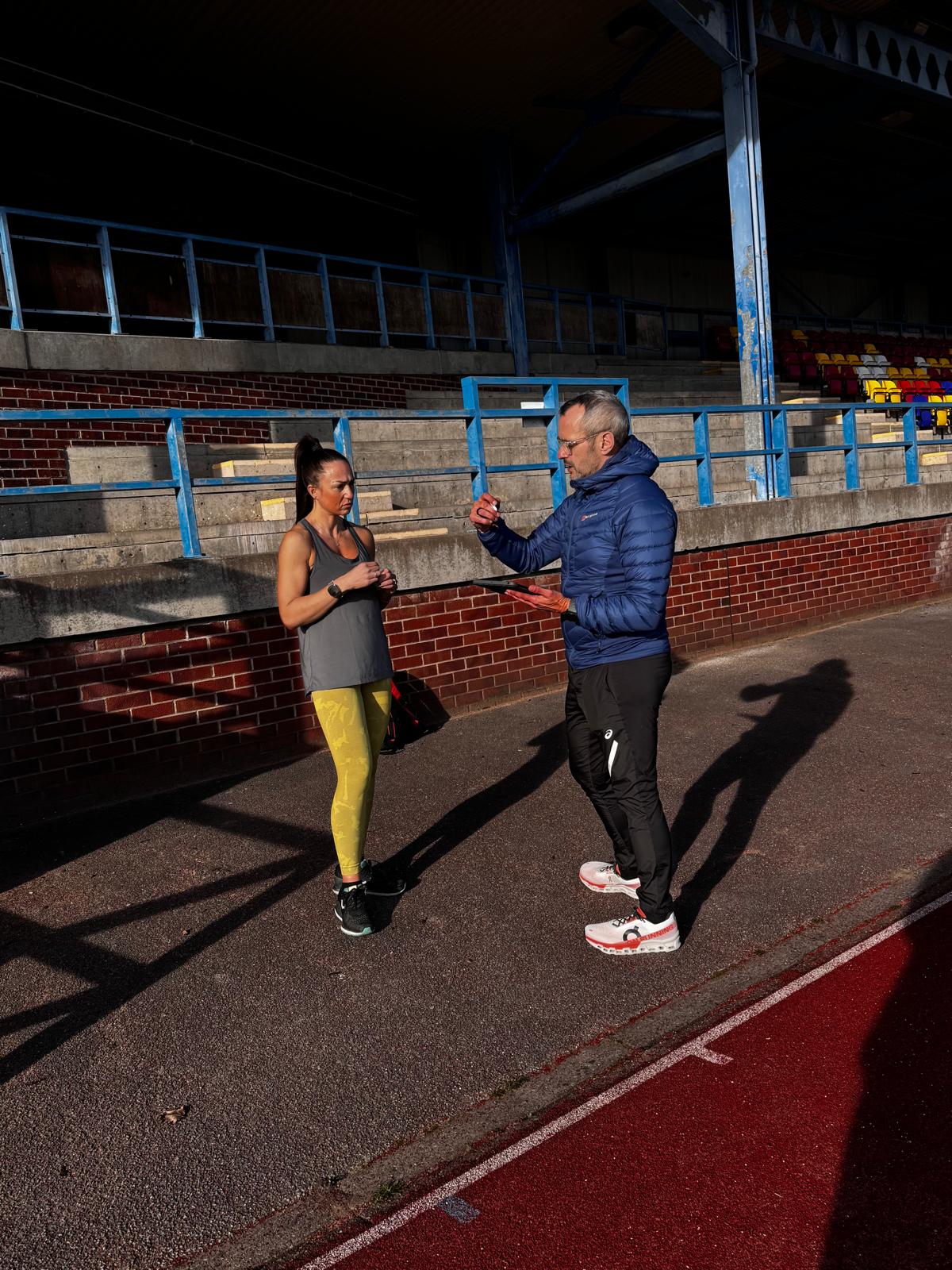
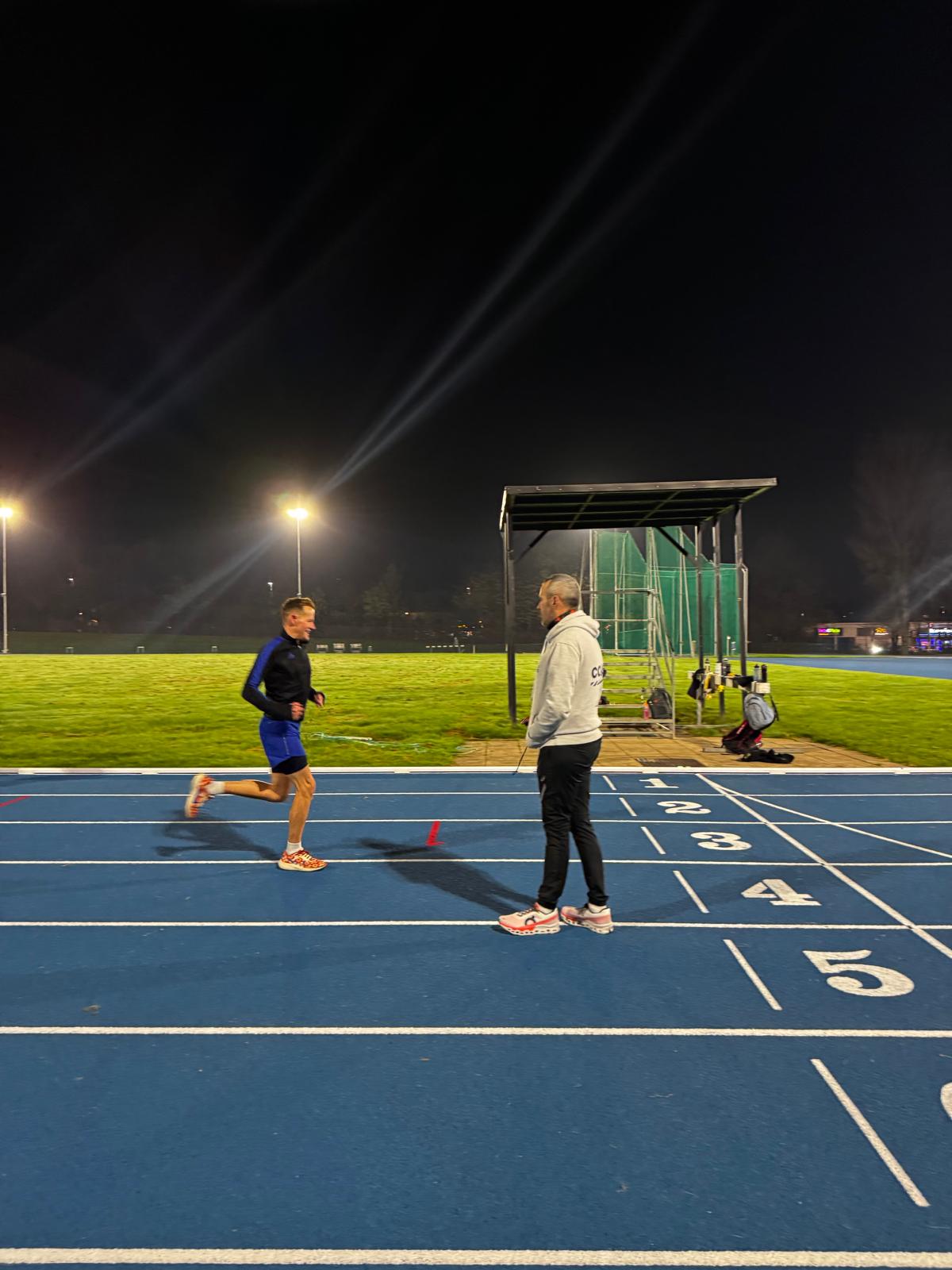
The test takes place on either a treadmill or turbo trainer, where I gradually increase the intensity of exercise while measuring lactate levels. During this process, I also track your heart rate to define your training zones.

02
image

Detailed Analysis & Personalised Plan

Once the test is complete, I provide a detailed analysis of your lactate profile and heart rate zones, along with brief recommendations to optimise your training. For TTP Team members, I also create a specific continuous development plan to help you progress.
03
BOOK NOW

Lactate testing package
Pricing & features

Ready to get started? Fill in the form below to book your lactate test today!

Lactate Test

  • Initial zoom call to outline the test and complete an athlete profile
  • Available on either a treadmill or turbo trainer
  • Detailed lactate profile data analysis
  • Heart rate training zones defined
  • Brief recommendation for optimising training
  • Specific continuous development plan for athletes (TTP Team only)
£ 120per test

Gallery click to enlarge images

FAQs your questions, answered

Lactate testing measures the level of lactate in your blood during exercise, helping to identify your lactate threshold. This allows us to tailor your training to maximise endurance, optimise performance, and avoid overtraining.
The test typically takes around 30-45 minutes, including the warm-up, the exercise stages, and blood sampling at various intervals to track your lactate levels.
It’s best to come well-rested and hydrated, and avoid intense exercise 24 hours before the test. Wear appropriate training gear based on the exercise modality (e.g., running shoes or cycling gear) to ensure accurate results.

MY TESTIMONIALS

Discover how my personalised coaching has transformed the journeys of runners, cyclists and triathletes just like you—read their stories of growth, achievement, and success.

I can hand on heart say that without my running coach Simon, I wouldn't keep pushing myself. Without that support and a plan it would be so easy for me to forget why I started and why it's important to me.

Julie

Marathoner

And 100000% down to you that I did that tonight. If I didn't have coach Si I would've got in to a negative rut. The chats helps as well as the plan and training. Yes I have to push myself but helps massively having someone in my corner.

Sophie

Triathlete

Cheers Si! And thanks for a realllllly great session, it was just what I needed! One step closed to being a machine.

Chris

Aquathlon

Hi Si, thanks again for earlier, loving the training, and thanks for all the advice to a true novice.

John

Duathlete